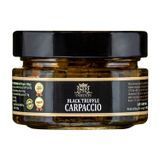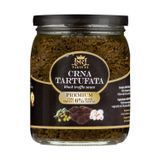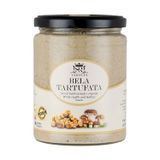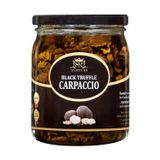
Truffles have long ceased to be just a gourmet obsession; they have entered everyday cooking, elevated family dinners, and become an ingredient for bold creative experiments by chefs. And while fresh truffles remain a symbol of the season—a fleeting magic for many—their canned, frozen, or dried counterparts offer a way to preserve those forest notes all year round.
Preservation significantly extends the shelf life of this delicacy, making it accessible throughout the year. But how does a canned truffle differ from a fresh one? Let’s take a closer look at the characteristics of each option and determine when it is best to choose a fresh truffle and when to opt for its preserved versions.
Truffles: How the Aroma of a Living Treasure Works
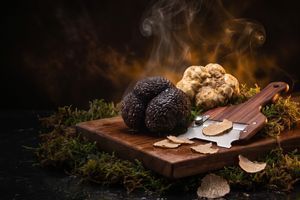
A fresh truffle is not just a mushroom, but a living "diffuser" of dozens of volatile organic compounds, primarily sulfur-based, which dissipate with astonishing speed when exposed to oxygen, heat, and time. It is this fragile aroma—earthy, garlicky, and even "musky"—that makes people fall in love with it for life.
Each fresh truffle contains over 30 to 60 compounds, yet only a few deliver that recognizable "truffle character." Losing even a fraction of these alters the entire aromatic profile.
Preservation: What We Save and What We Lose
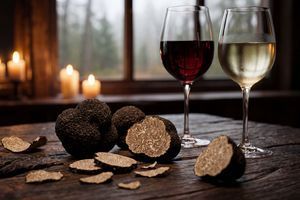
From the moment a truffle leaves the damp, cool earth to its first slice in the kitchen, its aroma gradually fades. Preservation—whether sterilization in jars, slices in oil, freezing, or drying—essentially halts this process, but it also alters part of the unique bouquet.
Consequently, canned truffles are usually less intense than fresh ones, and the complexity of their volatile notes is somewhat simplified. Instead of an explosion of "forest and rain," we get the depth of edible mushrooms, umami, and a distinct earthiness.
Canned Truffles: Types and Characteristics
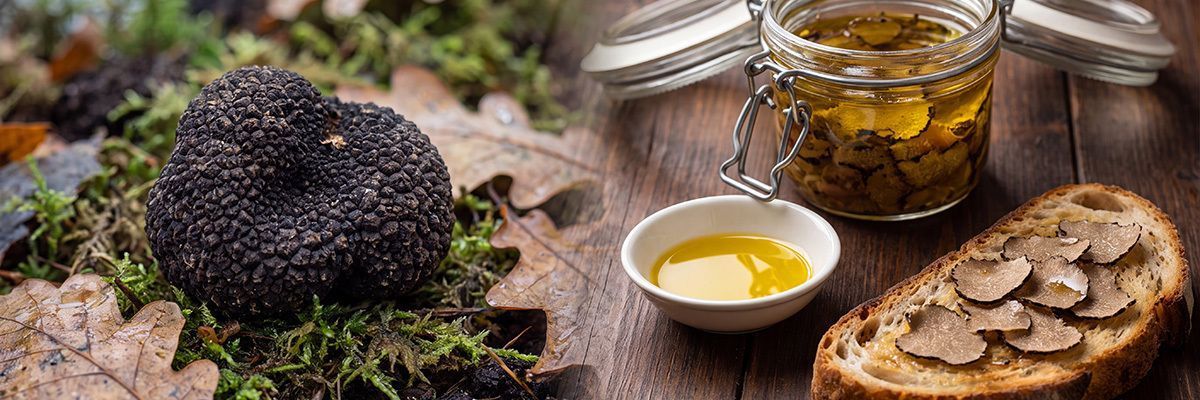
There are several main categories of preserved truffles, each with its own purpose, benefits, and usage characteristics.
Comparing Preserved and Fresh Truffles
| Format | Aroma | Texture | Shelf Life | Primary Culinary Use |
|---|---|---|---|---|
| Fresh truffle | Intense, complex | Firm, lively | 7–10 days | Shaved for finishing dishes |
| Canned (in brine) | Milder, earthy | Soft, cooked | Months–years | Fillings, pâtés, sauces |
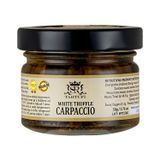
| Carpaccio in oil | Noticeable | Thin slices | Months | Garnish, dish decoration |
| Frozen | 40–80% of fresh aroma | Softer, slightly spongy | 6–12 months | Grate into hot dishes |
| Dried / Powder | Light, mushroom-like | Crumbly, powder | 12 months | Seasonings, mixing into mixtures |
| Truffle oil / paste | Bold (often aromatized) | Soft, creamy | 2–6 months | Finishing dishes, toasts, sauces |
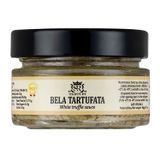
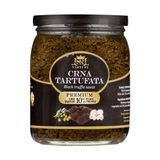
The variety of preserved truffle products allows you to choose the perfect option for any dish. If you need depth of flavor and a delicate texture, consider truffle sauces or powders. For an elegant finish on pasta, meat, or bruschetta, it is better to use truffle carpaccio slices or fragrant truffle oil.
Aroma: Why "Preserved" is Not the Same
The magic of the truffle lies precisely in its complex sulfur-aromatic molecules, which are the most vulnerable to any form of long-term storage. After heating, drying, or prolonged cooling, the explosive, complex aroma becomes more mushroom-like and muted. Often, manufacturers boost the aroma by adding synthetic concentrates, but this is more of an echo than a true forest accord.
This is why fresh truffles are always added at the very end of cooking, and even black truffles should not be cooked for long. Preserved truffles take this vulnerability into account—they are best integrated into sauces, pâtés, stuffing, or fillings rather than being served as raw, plain slices.
Key Advice: Always Read the Label
If the label mentions words like "aroma", "flavor", or "dithiapentane" alongside the truffle, and the truffle content itself is less than 2%, most of the flavor is synthetic. While safe and capable of creating a pleasant impression, such a "copy" is a far cry from the experience of a real truffle.
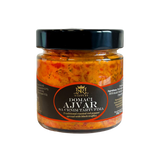
Real delicacies are products where truffle is listed as the primary ingredient and only natural flavorings are used. That is why at TartufiUA.com, we select Italian and Balkan farm-produced canned truffles and ready-made products where the truffle remains the centerpiece.
Preserved Truffles in Dishes: Simple Rules for Success
Preserved truffles show their best qualities when integrated directly into the structure of a dish during cooking, rather than at the finish. Using preserved options becomes an advantage in the following scenarios:
- In pâtés, terrines, creamy sauces, mousses, and fillings—for depth and a delicate mushroom undertone.
- In butter or cream that coats the dish after cooking—preserved truffles release their aroma to fats much better than to water-based liquids.
- In simple everyday dishes—polenta, mashed potatoes, egg dishes, or pastas, where a truffle base makes ordinary food feel special.
The main rule is to let the truffle melt into the warm dish, allowing the oil or cream to capture the remaining aroma and carry it into the overall flavor profile.
Does a Financial Compromise Mean a Flavor Compromise?
A fresh truffle is about the value of a specific moment: even a small amount shaved over hot pasta creates an exceptional atmosphere, but these moments are rare and fleeting.
Preserved truffles are more practical: they are significantly more affordable, go a longer way across multiple dishes, and allow you to enjoy a truffle accent regardless of the season. Using them is not about trying to replicate a fresh mushroom, but rather experiencing something different: building a deep, comforting flavor profile and a gentle reminder of the harvest season.
The choice between freshness and shelf life depends on your culinary goals, mood, and the occasion. Our role at TartufiUA.com is to help make this choice conscious, transparent, and delicious. Truffles are a gastronomic journey, and every format finds its admirer.
Truffle Traditions in Your Daily Menu
A preserved truffle will not replace the unique, volatile magic of a fresh one, but it offers a different culinary story. It is a story of how a noble forest aroma can be woven into your everyday rhythm and shared across many pleasant dining moments.
We, the TartufiUA.com team, are glad to accompany you on this journey—from the first shaved slice over a dish to a warm homemade sauce at a family dinner.